Most Korean fried chicken menus read like a familiar list. Original. Yangnyeom. Ganjang. Honey Butter.
Then, on the list at AHTTI Korean Restaurant, one word that doesn't belong to Seoul at all: chilli padi.
That one word is why I went looking. Chilli padi is the small, sharp chilli Singapore knows from sambal and saucers of cut chilli at the hawker centre. Finding it on a Korean fried chicken menu felt like a great sign that someone had been paying attention to where they are cooking. I wanted to understand what happens when those two things meet.
Finding AHTTI Korean Restaurant at Vision Exchange
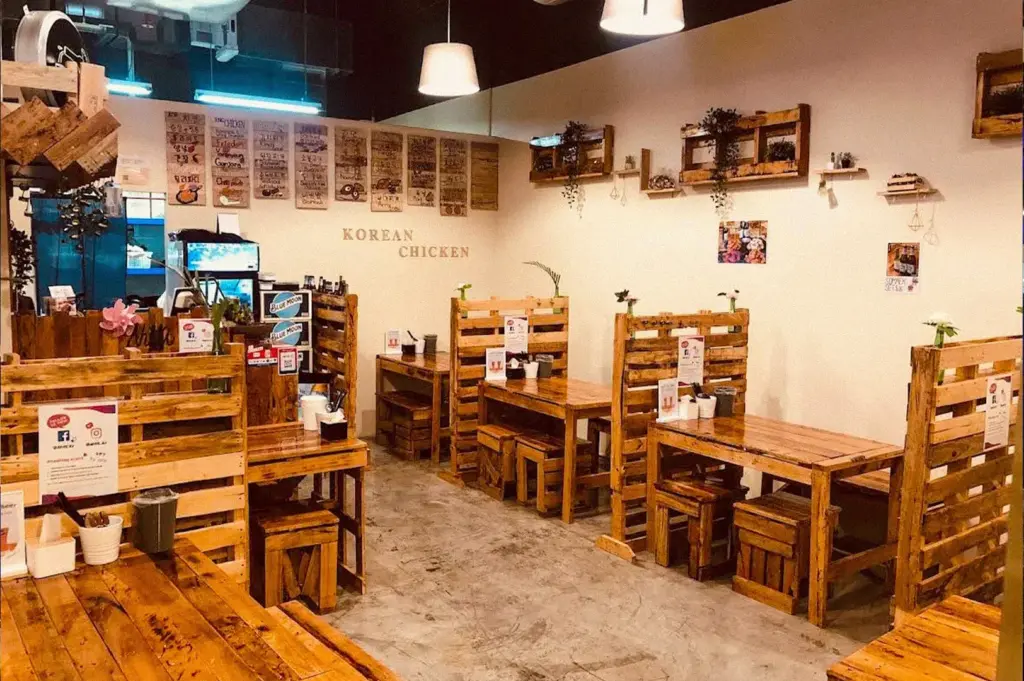
AHTTI (아띠식당) doesn't sit in a busy mall or along a street known for Korean food. Its first outlet opened on the second floor of Vision Exchange, a commercial building in Jurong East's business district in the west of Singapore.
The address is 2 Venture Drive, #02-43. The nearest station is Jurong East MRT on the North-South and East-West Lines. The walk from the station takes a little time, so it helps to plan for that.
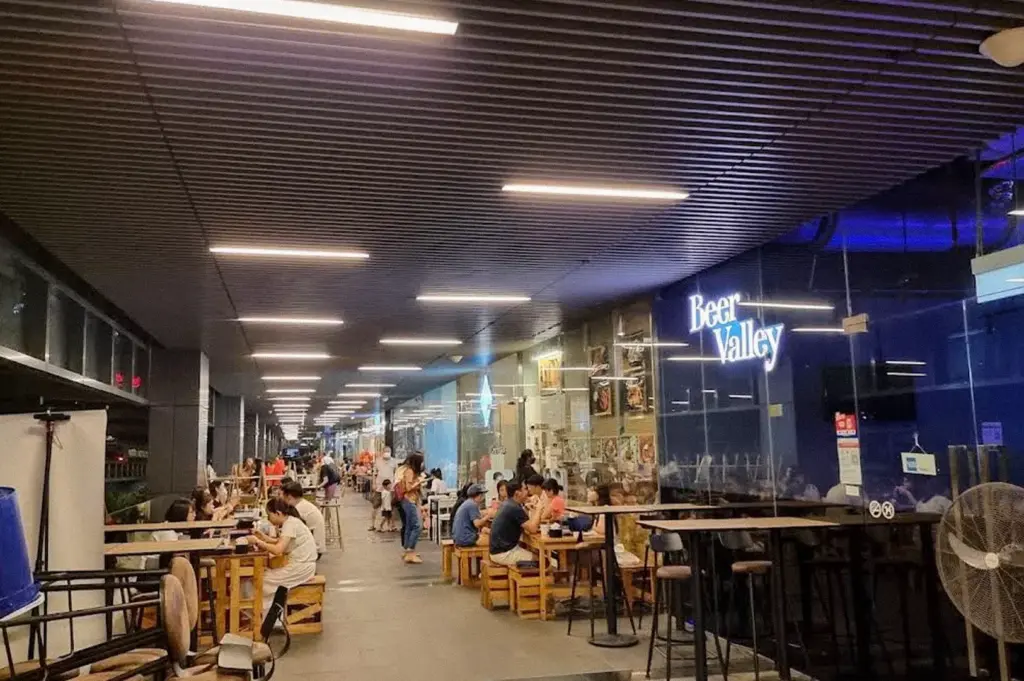
Customers describe the room as casual and modest. Some like that it's quieter than the malls nearby. Others mention that seating is limited, which matters if you're coming with a group. Reviews suggest it suits lunch with colleagues or an unhurried dinner with friends. It isn't a place for a formal occasion, and it doesn't seem to want to be.
There are now AHTTI outlets at Science Park and Bukit Timah Plaza too. Their menus and hours may differ, so this review mainly stays with Vision Exchange.
The Chilli Padi Fried Chicken, and Why It Matters
Korean fried chicken already makes room for many sauces. It's known for thin, crisp coatings, with the flavor often added after frying, and it's rarely oily when done well. For a closer look at how that style differs from the fried chicken most of us grew up with, you can read our guide on what makes Korean fried chicken different from regular fried chicken here.
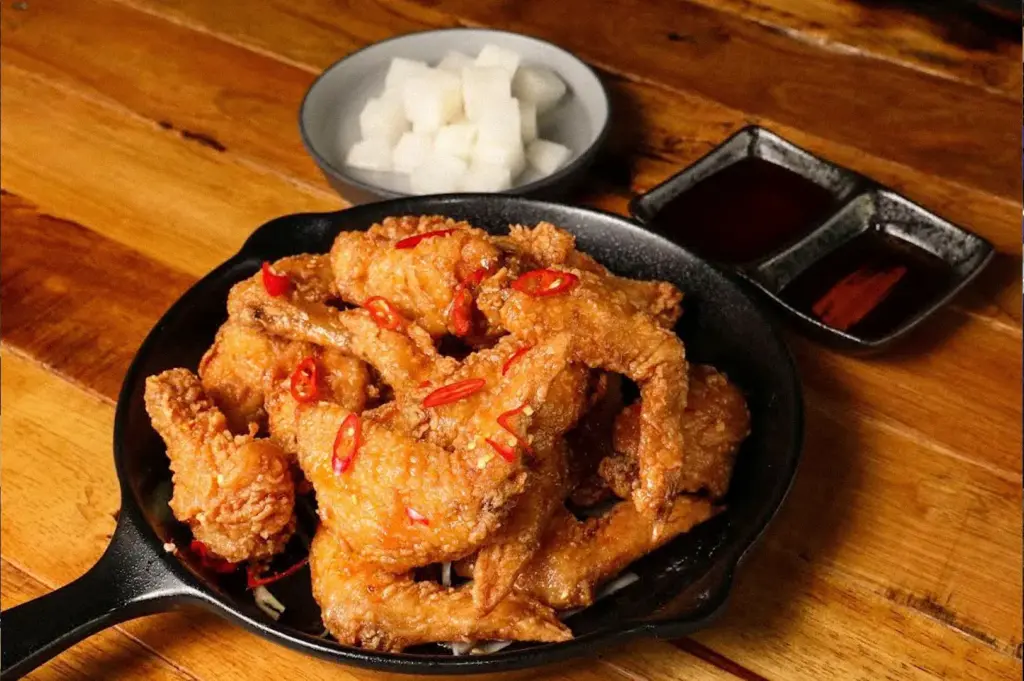
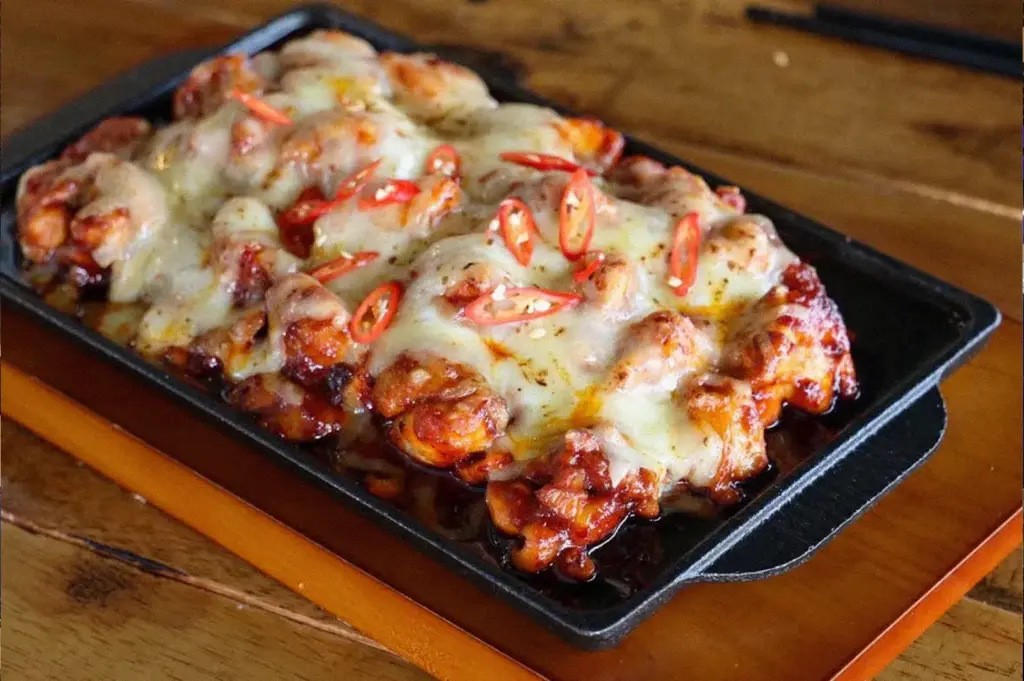
AHTTI's Chilli Padi Fried Chicken follows that pattern, but the heat comes from somewhere local. Writers who visited in 2020 described a sauce close to sweet chilli, scattered with chopped chilli and seeds that leave a heat that lingers. One stated that the contrast between the spicy sauce, the crispy coating, and the juicy meat was the moment that made the dish memorable.
What interests me most is the comparison with Yangnyeom. Both can be spicy, but they come from different places. Yangnyeom heat usually leans on gochujang and sweetness. Chilli padi is sharper and fresher, and it's a heat that many Singaporeans already know well. The dish doesn't pretend to be traditional Korean food. It's a contemporary Korean dish adapted to local tastes, and I find that more honest than most fusion. Without doubt, it's the one dish that best reflects where the restaurant is.
AHTTI's own ordering platform lists eight-piece chicken portions from S$20, with prices depending on the selected flavour. A separate Science Park menu lists Chilli Padi at S$26 for eight pieces, so dine-in prices may differ.
Honey Butter, Yangnyeom, and Ganjang Fried Chicken

If chilli padi is the conversation starter, the other flavors are the quieter company around it. The following prices come from a published Science Park menu and may differ from those at Vision Exchange.
Honey Butter (listed at S$27) goes the other way entirely. One reviewer described the seasoning as mildly sweet and powdery, similar to buttery milk snacks. The flavor comes from modern Korean snack culture, not old tradition, and customers have loved it enough to name it among their favorites.
Yangnyeom (S$26), which simply means "seasoning" or "seasoned sauce," is the sweet-spicy glaze many people picture when they think of Korean fried chicken. A 2020 review preferred it over the Original, and recent customers who enjoyed it recommend it too.
Ganjang (S$26) is the soy option, since ganjang is Korean for soy sauce. It's a savory, slightly sweet glaze for anyone who wants less chilli.
The same listing also shows Original at S$25, plus Hotdak and Cheese Butter, and a four-flavor boneless set of 16 pieces at S$43.
Opinions on texture differ. Many customers describe the batter as crisp and light, with the coating retained well even after saucing. One diner in September 2025 found it less crunchy than expected. Glazed chicken and powdered chicken behave differently, so the flavor you pick may shape the crunch you get.
Portions are generous. A January 2026 diner said one order fed three people alongside other dishes. Another felt eight pieces was too much for two. If there are only two of you, I'd order one chicken and one other dish, then decide.
Korean Food Beyond the Chicken
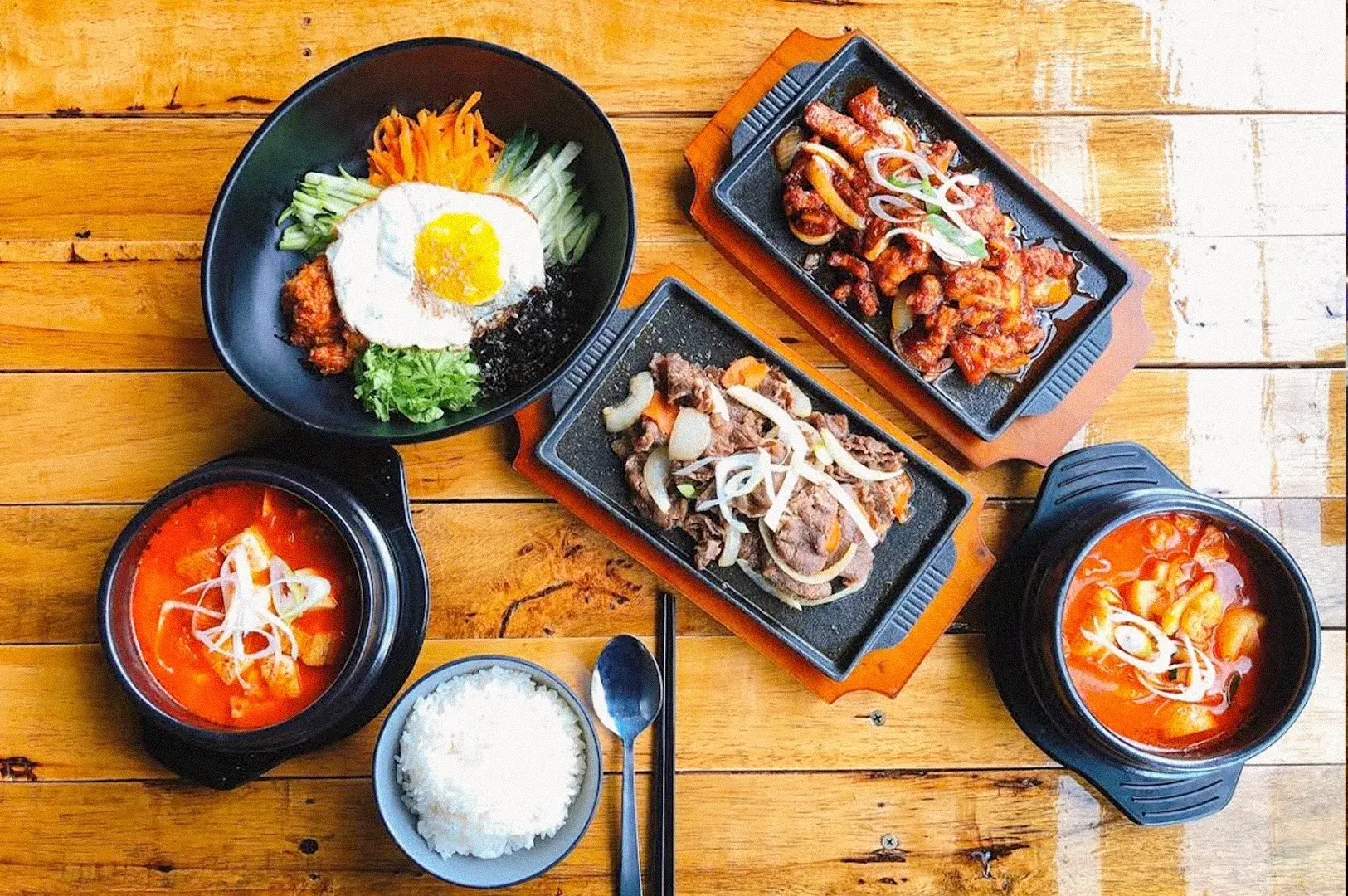
Seafood Pancake (listed at S$20) is the dish most often praised after the chicken. It's close to haemul pajeon, the Korean spring onion pancake with seafood. One reviewer described spring onions, carrots, shrimp, and squid, with crisp edges and a softer center, served with a soy-based dipping sauce. Crispness seems to vary between visits. The Kimchi Pancake (S$19) has drawn more mixed comments about crunch.
Army Stew, or budae-jjigae, is the kind of pot meant for the middle of the table. The dish developed in South Korea after the Korean War, built from sausage and luncheon meat alongside kimchi, noodles, and spicy broth. Customers call AHTTI's version hearty and generous. A few find it salty. Its price at Vision Exchange hasn't been confirmed.
Kimchi Pork Soup is the quiet one. A customer who has eaten lunch here for about two and a half years named it as a regular choice. It's listed at S$15.50 with rice. That kind of loyalty tells me something the chicken alone can't: this is also a weekday place, not just a weekend one.
Meals have come with banchan such as kimchi, pickled radish, seaweed, and fish cake. Customers mention refills, though the selection seems to change, and no official refill policy has been confirmed.
Practical Notes
Hours: Monday to Saturday, 11:30am to 2:30pm and 5:00pm to 10:00pm. Closed Sunday.
Budget: Around S$20 to S$35 per person for a shared meal. One group of three reported spending about S$80.
Reservations: AHTTI's ordering website previously announced a temporary suspension of reservations. Current booking availability is unclear, so walk-ins may be the safest option.
Dietary: Not halal-certified, and pork is on the menu. Vegetarian options aren't verified.
Fried chicken and friends also bring chimaek to mind, the Korean habit of pairing chicken with beer. Beer was available in earlier years, but the current drinks list is unconfirmed.
What Stays With Me About AHTTI Korean Restaurant
AHTTI isn't loud about what it does. It's a modest room in an office building, serving plates of fried chicken meant to be shared.
If you're going for the first time, I'd let the chilli padi lead and order a gentler flavor beside it, honey butter or ganjang, so the table has some contrast. Add the seafood pancake if there are three or more of you. Come knowing the seats are few and the portions are large.
What lingers for me is the idea behind that one menu word. A Korean dish, cooked in the west of Singapore, quietly seasoned with something local. A perfect fit, in its own understated way.